Measles Outbreaks Cost U.S. Up to $1.5 Billion Annually as Vaccination Rates Decline
When measles began spreading through West Texas in early 2025, public health officials in nearby Lubbock found themselves scrambling to contain the virus before it reached their community. Katherine Wells, who leads Lubbock's public health department, immediately recognized the need for additional resources to respond to exposures at pediatricians' offices, urgent care centers, restaurants, and day care facilities. The outbreak was centered an hour away in Gaines County, but its reach was already extending beyond county lines.
Wells faced a difficult reality. Her staff was already stretched thin, and she needed roughly $100,000 to hire temporary workers to help with the mounting workload. "We were really relying on staff that aren't hourly, because I can work them for 80 hours if I have to, which is horrible," she explained. She repeatedly requested additional funding from the Texas Department of State Health Services, asking for money to pay retired school nurses or other temporary workers who could assist with contact tracing and vaccination efforts. Each time, the answer was the same: no.
Instead of receiving financial support, Wells received a few travel nurses from other areas. She had to pull at least half of her existing staff to work on outbreak response while still managing their regular duties. The cost to Lubbock's health department for containing the virus before the outbreak ended months later remains uncalculated, but the human toll was clear: exhausted workers stretched beyond capacity, trying to prevent a highly contagious disease from spreading through their community.
This scenario plays out across the United States as vaccination rates continue to decline. Since 2019, more than two-thirds of counties and jurisdictions have reported notable drops in vaccination rates, according to an NBC News/Stanford University investigation. Among states that track MMR rates, 67% of counties fall below the level needed to stop a measles outbreak. These statistics paint a concerning picture of vulnerability to a disease that was declared eliminated in the United States in 2000.
The financial implications of this trend are staggering. A new report from the Yale School of Public Health projects that if measles vaccination rates continue to drop just 1% annually for the next five years, the cost to the United States could reach $1.5 billion annually. Researchers used mathematical models to calculate predicted increases in measles cases, hospitalizations, and their associated medical and societal costs. The projections show $41.1 million would be needed each year to cover patients' basic medical needs, including health insurance, and $947 million for public health response efforts such as surveillance and contact tracing. Lost productivity in the workforce could reach $510.4 million each year.
Dr. Dave Chokshi, chair of the Common Health Coalition, emphasized that a measles outbreak reverberates through all parts of "the health ecosystem." "The human consequences of measles outbreaks are important for us to face very squarely," said Chokshi, who previously served as health commissioner of New York City. "But we also wanted to make it clear that there are economic consequences, including employees absorbing lost work, public health departments that are stretched too thin to respond, and health care systems straining to shoulder the burden of emergency response."
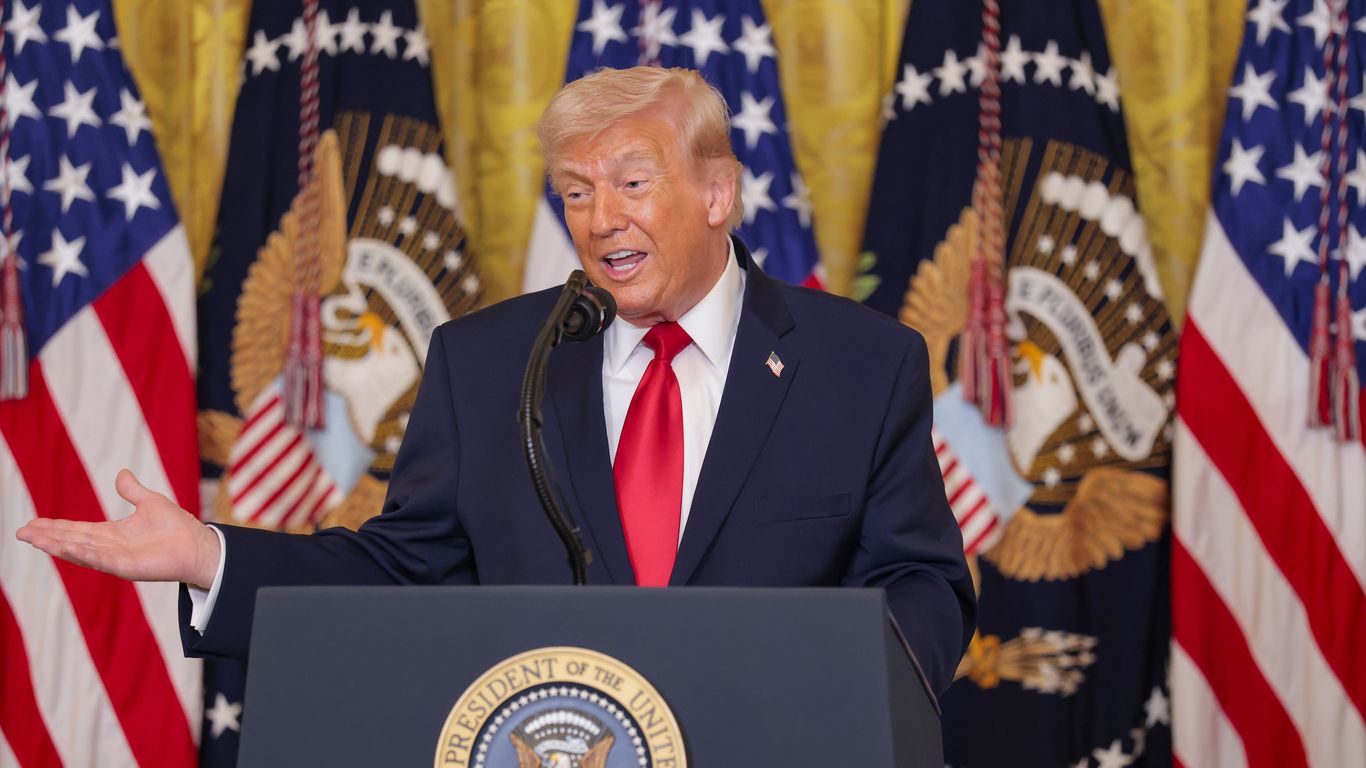
The current political climate has complicated efforts to address declining vaccination rates. In early 2025, as measles cases were beginning to spread in West Texas, President Donald Trump was taking his second oath of office. Under his administration, following the guidance of Health Secretary Robert F. Kennedy Jr., the messaging on childhood vaccination has focused on "personal choice" rather than public health necessity. This approach has contributed to continued declines in vaccination rates, with more than 1,000 confirmed cases of measles in the first two months of 2026 alone, nearly half of the 2,281 cases in all of 2025. Ninety-four percent of those infected were unvaccinated.
The financial burden of measles outbreaks extends beyond the immediate public health response. According to a Johns Hopkins Bloomberg School of Public Health analysis, the initial financial hit to a community from a measles outbreak is about $244,480. This covers local and state public health departments' expenses for resources like vaccine clinics and staffing until the outbreak is over. Each additional case of measles averages $16,000 for contact tracing, medical expenses, and quarantine monitoring. Five measles cases could cost $324,480, while an outbreak of 50 might cost $1 million.
The 2019 measles outbreak in Clark County, Washington, provides a concrete example of these costs. Health officials spent hours ensuring people adhered to quarantines, bringing in staff from the state, the CDC, and even from other jurisdictions as far away as Idaho to help with case investigation and contact tracing. The team contacted quarantined individuals every day, and ultimately 87% of subsequent measles cases occurred among people who had been quarantined. An assessment found that productivity losses from this relatively small outbreak soared to over a million dollars.
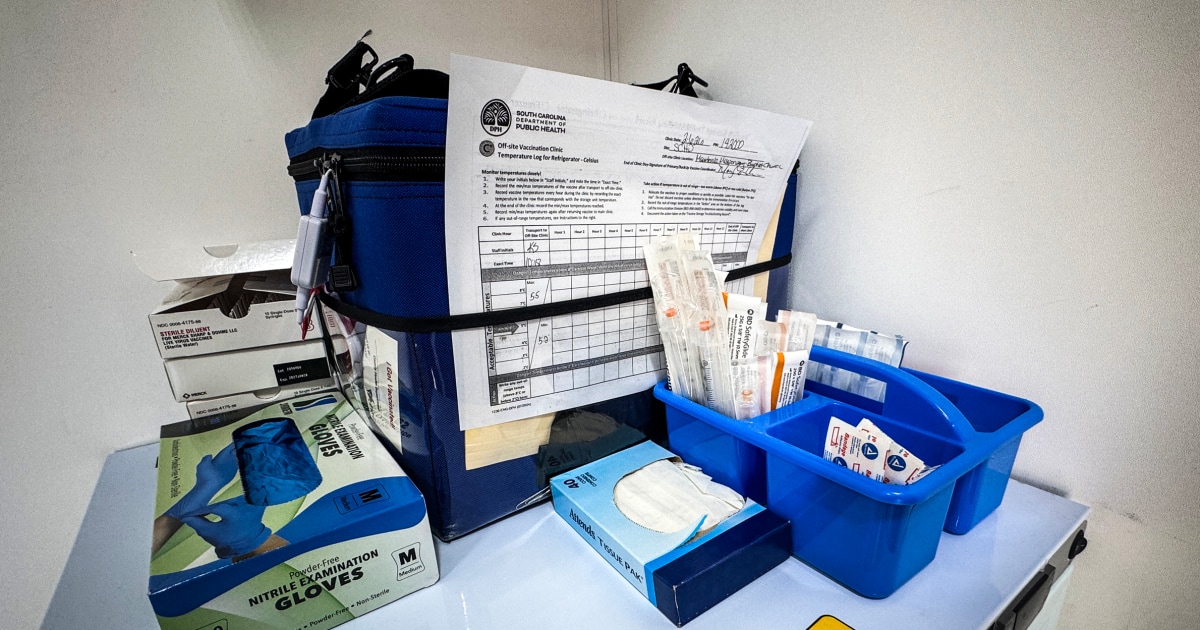
South Carolina is currently wrestling with the country's largest single measles outbreak in more than a generation. Spartanburg County has been on high alert since fall, with at least 1,000 cases and possible exposures in fast food restaurants, stores, medical clinics, and a government office. The South Carolina Department of Public Health has had to redirect several hundred thousand dollars previously allocated for emergencies and received an additional $100,000 from the CDC for vaccine-preventable disease responses. The department continues to discuss additional funding needs with the CDC.
The personal cost of measles outbreaks extends far beyond financial calculations. Hundreds of people infected with measles over the past year — more than 1 in 10, according to the CDC — have been hospitalized with dangerously high fever, pneumonia, trouble breathing, and dehydration. Mothers and fathers have spent countless hours by their child's bedside. While most recover, some are left with long-term consequences of encephalitis, including seizures, blindness, deafness, and learning disabilities. Rarely, measles can hide in the body for a decade before re-emerging to attack the brain and nervous system, causing subacute sclerosing panencephalitis, which is almost always fatal.
Two little girls in Texas, ages 6 and 8, died of measles within weeks of their diagnosis. These deaths underscore the human cost that cannot be measured in dollars and cents. "Behind every number is a child struggling with a devastating illness, or a family reckoning with an unexpected hospitalization, and, in the worst circumstances, a death or a long-term consequence from what is a preventable disease," Chokshi said. As vaccination rates continue to decline and measles outbreaks become more frequent, communities across the country face difficult choices about how to protect public health with limited resources and increasing vulnerability.
Scorpion Journal Analysis
At Scorpion Journal, we see this unfolding crisis as a perfect storm of public health failure, political mismanagement, and community vulnerability. The refusal to adequately fund public health departments like Katherine Wells' in Lubbock represents a dangerous short-sightedness that prioritizes immediate budget concerns over long-term community safety. When local health departments are forced to choose between basic services and outbreak response, everyone loses.
The economic analysis from Yale provides crucial context that often gets lost in debates about personal choice and vaccine mandates. A potential $1.5 billion annual cost to the nation isn't just an abstract number—it represents real resources diverted from education, infrastructure, and other essential services to combat a disease that was once eliminated. More troubling is the human cost that can never be fully quantified: children suffering from preventable illnesses, families facing unexpected hospitalizations, and communities living in fear of outbreaks that could have been prevented.
We believe the current approach, which emphasizes personal choice over public health necessity, fundamentally misunderstands how infectious diseases work. Measles doesn't respect individual decisions—it spreads through communities, affecting the most vulnerable regardless of their vaccination status or personal beliefs. The fact that 94% of recent cases involved unvaccinated individuals demonstrates that this isn't a matter of personal freedom but of community responsibility. Until policymakers recognize that protecting public health requires both adequate funding and strong vaccination policies, communities across America will continue to face the devastating consequences of preventable disease outbreaks.